 YAVE
West Ham United
The history of West Ham United: from Thames Ironworks to the Academy of Football and Prague 2023

West Ham United began in 1895 as Thames Ironworks F.C., the works team of a shipbuilding firm on the banks of the Thames, formed by foreman Dave Taylor and owner Arnold Hills. When the works team was disbanded amid disputes in 1900, it was almost immediately re-formed as West Ham United on 5 July 1900. The club's ironworks roots live on in its nicknames — the Irons and the Hammers — and in the crossed rivet hammers on its badge.
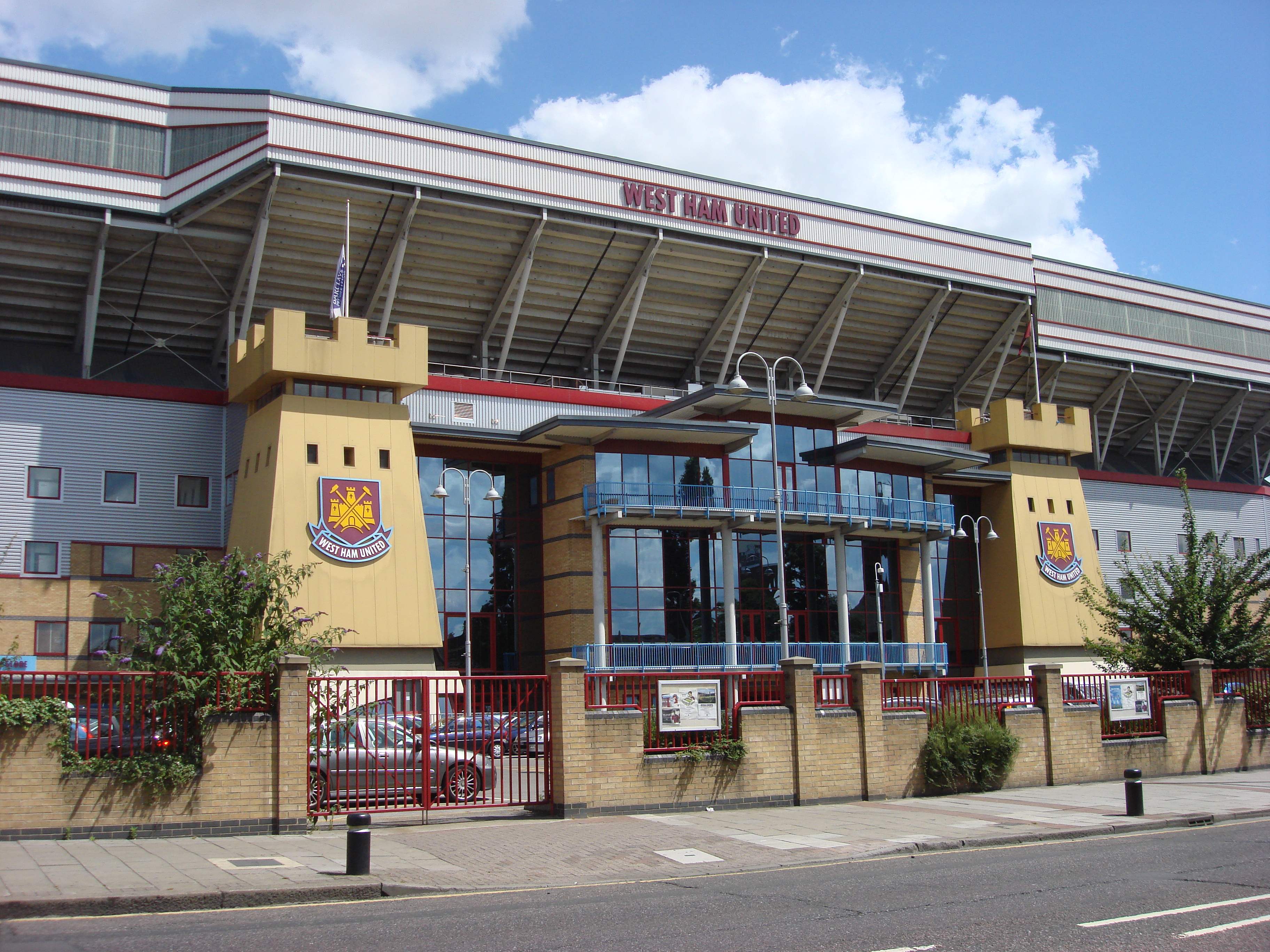
The Hammers have never won the league title, but few clubs have a richer cup tradition: three FA Cups, the European Cup Winners' Cup of 1965, and the UEFA Europa Conference League of 2023. After 112 years at the Boleyn Ground in Upton Park, West Ham moved in 2016 to the London Stadium in Stratford, which holds 62,500 for football.
Contents
- Thames Ironworks and the Birth of West Ham United (1895–1919)
- Football League Arrival, the White Horse Final and the Fenton Foundations (1919–1961)
- Ron Greenwood, the Academy of Football and European Glory (1961–1974)
- The John Lyall Era: Two FA Cups and the Boys of '86 (1974–1989)
- The Yo-Yo Years and Farewell Boleyn (1989–2016)
- The London Stadium Move and the Moyes European Era (2016–present)
- Honours
- Timeline
- References
Thames Ironworks and the Birth of West Ham United (1895–1919)
Thames Ironworks won the West Ham Charity Cup in their first year and the London League in 1897, turned professional in 1898 and won promotion from the Southern League Second Division at the first attempt. After the original club was disbanded in June 1900, the re-formed West Ham United played at the Memorial Grounds before moving in 1904 to the Boleyn Ground, Upton Park — the first match there a 3–0 win over Millwall. Managed by Syd King, the club were Western League champions in 1907 and played Southern League football until election to the Football League in 1919.
Football League Arrival, the White Horse Final and the Fenton Foundations (1919–1961)
West Ham joined the Football League's Second Division in 1919, and in 1923 won promotion to the First Division and reached the first FA Cup final held at Wembley — the famous "White Horse Final", lost to Bolton Wanderers before a vast crowd that spilled onto the pitch. The era's great player was Vic Watson, whose 326 goals between 1920 and 1935 remain the club record. After relegation in 1932, West Ham won their first major trophy in unusual times: the inaugural Football League War Cup of 1940, beating Blackburn Rovers at Wembley. A long second-tier spell followed under Charlie Paynter and then Ted Fenton, whose side won the Second Division title in 1957–58. With captain Malcolm Allison, Fenton laid the foundations of the "West Ham Way" and the club's famed academy — the first batch of future stars, Bobby Moore among them, came through in this period.
Ron Greenwood, the Academy of Football and European Glory (1961–1974)

Ron Greenwood, appointed in 1961, built a young, academy-produced side led by Bobby Moore. It won the FA Cup in 1964, beating Preston North End 3–2, and the European Cup Winners' Cup in 1965, beating 1860 Munich 2–0 at Wembley with two goals from Alan Sealey. In 1966 three West Ham academy products won the World Cup with England — captain Moore, final hat-trick scorer Geoff Hurst and Martin Peters, who between them scored all four of England's goals in the final. West Ham also reached the 1966 League Cup final, but league form stayed entertainingly inconsistent, and in 1974 Greenwood moved upstairs as general manager, appointing his assistant John Lyall as team manager.
The John Lyall Era: Two FA Cups and the Boys of '86 (1974–1989)
Lyall won the FA Cup in his first season, 1975, beating Fulham 2–0 with the last all-English starting XI to win the Cup — with Moore himself playing against West Ham for Fulham. His side reached the 1976 Cup Winners' Cup final, losing to Anderlecht, and after relegation in 1978 Lyall produced the club's most famous cup win: the 1980 FA Cup, won 1–0 against Arsenal through Trevor Brooking's header while West Ham were a Second Division club — still the last time a team from outside the top flight has won the FA Cup. West Ham won the Second Division title in 1980–81 and reached the League Cup final in 1981, and the "Boys of '86" — built around Tony Cottee and Frank McAvennie — finished third in the First Division in 1985–86, the highest league finish in the club's history. The era's captain was Billy Bonds, whose 799 appearances are a club record. Relegation in 1989 brought Lyall's sacking after 34 years at the club.
The Yo-Yo Years and Farewell Boleyn (1989–2016)

Billy Bonds won promotion as manager in 1991 and again in 1993, but a yo-yo pattern had set in. Harry Redknapp's seven years brought attractive football, a fifth-place finish in 1998–99 — then the club's best of the Premier League era — and victory in the 1999 UEFA Intertoto Cup, beating Metz to reach the UEFA Cup. Relegation came in 2003 despite a record-high 42 points, and after losing the 2004 play-off final, Alan Pardew's side won the 2005 final against Preston. The 2006 FA Cup final was lost to Liverpool on penalties after a 3–3 draw, and the Carlos Tevez affair followed. Relegated again in 2011, West Ham bounced straight back through Sam Allardyce's 2012 play-off final win over Blackpool. Slaven Bilić's side finished seventh in 2015–16, the final season at the Boleyn Ground, ending with a 3–2 win over Manchester United on 10 May 2016.
The London Stadium Move and the Moyes European Era (2016–present)

West Ham moved in August 2016 to the London Stadium, the converted Olympic Stadium in Stratford, held on a 99-year lease with its football capacity eventually raised to 62,500. The early seasons were unsettled — Bilić was sacked in November 2017, and David Moyes steered the club to safety before Manuel Pellegrini's spell ended in December 2019. Moyes returned and built the most consistent side of the modern era: sixth place and a club-record 65 Premier League points in 2020–21, a Europa League semi-final in 2021–22, and on 7 June 2023 in Prague, the UEFA Europa Conference League — Saïd Benrahma's penalty and Jarrod Bowen's 90th-minute winner beating Fiorentina 2–1, with captain Declan Rice lifting the club's first major trophy in 43 years and its first European trophy in 58. Rice was then sold to Arsenal for a club-record £100 million. Moyes departed in June 2024 having delivered three consecutive European seasons, a first in the club's history.
Honours
| Trophy | Titles | Years |
|---|---|---|
| League title (First Division / Premier League) | 0 | Never won — best finish 3rd, 1985–86 |
| FA Cup | 3 | 1964, 1975, 1980 |
| League Cup | 0 | Never won — runners-up in 1966 and 1981 |
| FA Charity Shield | 1 | 1964 (shared) |
| Football League War Cup | 1 | 1940 |
| Second Division | 2 | 1957–58, 1980–81 |
| European Cup Winners' Cup | 1 | 1965 |
| UEFA Europa Conference League | 1 | 2023 |
| UEFA Intertoto Cup | 1 | 1999 |
West Ham's record scorer is Vic Watson, with 326 goals between 1920 and 1935, and their record appearance maker is Billy Bonds, with 799 appearances between 1967 and 1988. Geoff Hurst, with 252 goals, is second on the scoring list.
Timeline
- 1895 — Thames Ironworks F.C. founded as the works team of the Thames Ironworks and Shipbuilding Company (Taylor and Hills).
- 1900 — Thames Ironworks disbanded; re-formed as West Ham United F.C. on 5 July 1900 under Syd King.
- 1904 — Move to the Boleyn Ground, Upton Park; first match a 3–0 win over Millwall.
- 1919 — Elected to the Football League (Second Division).
- 1923 — First Division promotion and the first Wembley FA Cup final (the "White Horse Final"), lost to Bolton Wanderers.
- 1940 — First major trophy: the inaugural Football League War Cup, beating Blackburn Rovers at Wembley.
- 1958 — Ted Fenton's side win the Second Division title and return to the top flight; Bobby Moore makes his debut.
- 1964 — First FA Cup: 3–2 vs Preston North End under Ron Greenwood.
- 1965 — European Cup Winners' Cup won at Wembley, 2–0 vs 1860 Munich.
- 1966 — Moore, Hurst and Peters win the World Cup with England, scoring all four goals in the final.
- 1975 — Second FA Cup under John Lyall: 2–0 vs Fulham with an all-English XI.
- 1980 — Third FA Cup as a Second Division club: 1–0 vs Arsenal, Trevor Brooking's header — still the last FA Cup won from outside the top flight.
- 1985–86 — The "Boys of '86" finish 3rd in the First Division — the club's highest-ever league finish.
- 1999 — Fifth place under Harry Redknapp and the UEFA Intertoto Cup win over Metz.
- 2006 — FA Cup final lost to Liverpool on penalties after a 3–3 draw.
- 2016 — Farewell to the Boleyn Ground (3–2 vs Manchester United, 10 May) and the move to the London Stadium.
- 2023 — UEFA Europa Conference League won in Prague, 2–1 vs Fiorentina — first major trophy in 43 years, under David Moyes.
References
- Wikipedia — "West Ham United F.C." (history, honours and records).
- West Ham United — whufc.com, official Honours page and manager profiles.
- Wikipedia — "London Stadium" and "Boleyn Ground".
- Wikimedia Commons — file pages for the photographs used.
Image source: Wikimedia Commons.


